
The Protein Potential of Poultry Byproducts
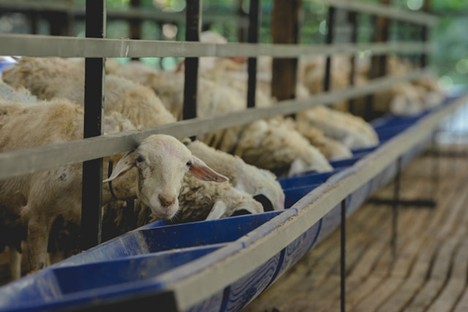
Protein is the most critical components in modern animal nutrition, driving formulation strategies across beef, dairy, poultry, and specialty livestock operations. As feed markets evolve and ingredient costs fluctuate, farmers are looking beyond traditional protein sources to identify reliable, efficient alternatives. Among these alternatives, poultry byproducts continue to be valuable contributors to balanced feed programs.
Ingredients derived from poultry fat, chicken byproduct meal, and specialized materials such as hydrolyzed feather meal, offer concentrated protein and energy that can be strategically incorporated into livestock rations. Far from being secondary materials, these inputs represent a purposeful and scientifically managed component of today's feed supply chain.
Byproducts in Animal Nutrition
Poultry byproducts are rendered ingredients derived from poultry processing. Through controlled rendering processes, raw materials are transformed into stable, digestible feed ingredients suitable for inclusion in livestock diets.
The rendering process plays a critical role in stabilizing these materials. By applying heat and pressure under regulated conditions, moisture is reduced, pathogens are eliminated, and nutrients are concentrated. The result is a shelf-stable ingredient with consistent nutritional characteristics. Rather than being viewed as waste, poultry byproducts are recognized as an efficient means of converting raw protein into usable feed inputs.
Amino Acid Density and Protein Concentration
One of the primary advantages of poultry-derived meals is their high protein concentration. Chicken byproducts contain substantial levels of crude protein, making them effective components in high protein feed for cattle and other livestock.
Feather-based meals, once properly processed, are especially notable for their protein density. Keratin, the structural protein found in feathers, is rich in amino acids such as cysteine. When converted into digestible form through specialized processing, it becomes a concentrated protein source suitable for ruminants.
While amino acid profiles vary among different poultry byproducts, their collective contribution can help farmers balance rations by supplementing essential and non-essential amino acids. For cattle operations seeking a cost-effective cow protein supplement, poultry-based ingredients offer flexibility in formulation.
Ruminant Nutrition and Protein Strategy
In cattle nutrition, protein is often evaluated not only by total percentage but by its behavior within the rumen. Some protein sources are rapidly degraded, while others bypass the rumen and are absorbed later in the digestive tract. Properly processed feather-based meals tend to function as rumen undegradable protein (RUP), meaning a portion of their amino acids bypass microbial breakdown and become available after first stomach fermentation.
This characteristic makes poultry feather meal a useful tool in balancing rations for growing or finishing cattle. Poultry byproduct meal typically provides a blend of protein fractions and may serve as part of a broader protein supplement for cows in both beef and dairy systems. Its versatility allows it to complement forage-based diets or grain-heavy finishing rations.
Energy Contribution from Poultry Fat
Beyond protein, poultry fat plays an important role in feed formulation. Fat serves as a concentrated energy source, contributing more than twice the caloric value of carbohydrates on a per-weight basis. In cattle rations, poultry fat can help increase dietary energy density without significantly increasing bulk.
This becomes particularly relevant in feedlot systems where maximizing feed efficiency is a priority. The inclusion of poultry fat may also enhance pellet quality during feed manufacturing, improving texture and reducing dust. In certain applications, fat inclusion supports ration consistency and uniformity.
Because poultry fat is derived from a consistent processing stream, it offers predictable composition when produced under standardized rendering practices. This reliability supports precision feeding strategies across livestock sectors.
Economic Efficiency and Cost Management
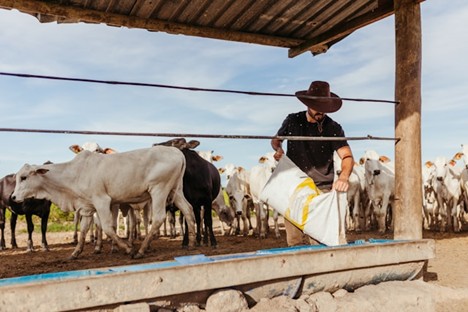
Feed represents one of the largest operating expenses in livestock production. As commodity protein sources such as soybean meal fluctuate in price, producers often evaluate alternative ingredients that can deliver comparable protein value at competitive costs.
Poultry byproducts can help diversify protein sourcing. By incorporating chicken byproducts into feed programs, operations reduce reliance on a single protein stream. This diversification can improve resilience against supply chain disruptions or price volatility.
Cost per unit of digestible protein is a key metric in feed formulation. When evaluated on this basis, certain poultry-derived ingredients can offer favorable economics. For operations managing tight margins, this efficiency can influence purchasing decisions and long-term feed strategy.
Sustainability and Resource Optimization
Modern agriculture places increasing emphasis on resource efficiency. Incorporating byproducts of chickens and other poultry processing streams demonstrates a strategic commitment to more efficient, circular supply chains that maximize resource value and minimize waste. Rather than discarding materials with nutritional value, rendering transforms them into usable feed ingredients.
This approach supports responsible resource management. By redirecting nutrient-rich materials into livestock diets, the agricultural system captures value that might otherwise be lost. Poultry byproducts thus contribute to integrated production systems in which inputs and outputs are more tightly aligned.
In addition, the conversion of poultry processing streams into feed ingredients reduces the need for additional land or crop inputs solely dedicated to protein production. While plant-based proteins remain foundational to feed programs, diversification through poultry-derived inputs can complement these sources.
Quality Control and Processing Standards
The nutritional value of poultry feather meal and poultry byproduct meal depends heavily on processing quality. Controlled hydrolysis, temperature regulation, and moisture reduction are critical in ensuring digestibility and stability.
Over-processing may reduce amino acid availability, while under-processing can limit digestibility. For this reason, reputable rendering facilities invest in monitoring systems and quality assurance protocols. Nutrient analysis, batch testing, and consistency checks help maintain predictable ingredient performance.
Reliable sourcing ensures that protein supplements for cows and other livestock perform as expected within formulated rations.
Application Across Livestock Systems
Poultry byproducts have other applications across multiple livestock sectors. In beef operations, they contribute to growth and finishing diets. In dairy systems, they may serve as part of balanced protein programs. In specialty livestock feeding, they provide flexibility in meeting protein targets.
Inclusion rates vary depending on species, production stage, and overall ration composition. Factors such as crude protein content, amino acid balance, energy contribution, and mineral levels are evaluated when determining appropriate usage.
The versatility of poultry byproduct meal and feather-based ingredients makes them adaptable components within both small-scale and commercial feeding programs.
Strategic Integration in Modern Feed Programs
The role of poultry byproducts in animal nutrition continues to evolve. As feed formulation becomes increasingly data-driven, ingredients based on digestibility metrics, amino acid availability, and economic return continue to be assessed.
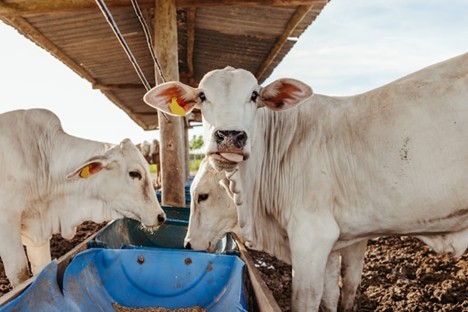
Integrating poultry-derived protein sources into feed programs requires a clear understanding of production goals. Whether the objective is improving feed efficiency, optimizing protein delivery, or managing ingredient costs, poultry byproducts can serve as strategic tools within a balanced formulation.
Careful ration design ensures that these ingredients complement other protein and energy sources rather than replace them indiscriminately. When used thoughtfully, they enhance overall feed performance and contribute to efficient nutrient utilization.
Expanding Protein Possibilities
The demand for protein in livestock production is unlikely to diminish. As global markets continue to evolve, diversified protein sourcing will remain a priority. Poultry byproducts represent a practical solution that aligns nutritional value with supply chain efficiency.
Advances in processing technology, quality monitoring, and feed formulation software are further refining the role of these ingredients. Improved digestibility assessment and amino acid modeling allow for more precise inclusion strategies.
Ultimately, the protein potential of poultry byproducts lies in their adaptability. They bridge the gap between resource optimization and nutritional performance, offering producers additional flexibility in meeting production objectives.
By recognizing the functional value of chicken byproducts, poultry fat, and feather-derived meals, livestock operations can approach feed planning with broader options and greater confidence. In a landscape defined by cost pressures, sustainability considerations, and performance goals, poultry byproducts stand as a resilient and valuable component of modern animal nutrition.